Many health experts agree that a diet rich in fruits and vegetables can improve heart health and reduce the risk of developing heart disease. Furthermore it can reverse heart related problems such as atherosclerosis, high blood pressure and high levels of LDL (bad) cholesterol.
Juicing fruits is an excellent way to get a densely packed amount of beneficial nutrients. So which fruits are best for fighting heart disease? Research has shown these 5 fruits are powerful protectors for your ticker:
POMEGRANATE
 Pomegranate has an abundance of antioxidants gaining a lot of attention in the past few years as a super fruit for the heart. Punicalagins is one of the well researched cardio-protective antioxidants found in pomegranate. It can reduce inflammatory damage of arteries and reduce oxidative stress. Other antioxidants in pomegranateinclude vitamin C, catechins, isoflavones and anthocyanins. All of which have protective qualities for the heart.
 Pomegranate has an abundance of antioxidants gaining a lot of attention in the past few years as a super fruit for the heart. Punicalagins is one of the well researched cardio-protective antioxidants found in pomegranate. It can reduce inflammatory damage of arteries and reduce oxidative stress. Other antioxidants in pomegranateinclude vitamin C, catechins, isoflavones and anthocyanins. All of which have protective qualities for the heart.
Juicer recipes tip: Cut the fruit in half and scoop out the flesh for juicing. Use only the flesh in your juice. The rind and skin will make the juice sour.
RED and PURPLE GRAPES
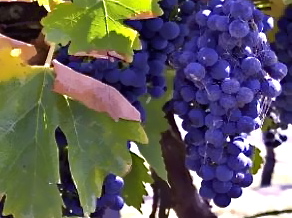
 Resveratrol is the antioxidant found in red and purple grapes and consequently red wine. The French Paradox is the observation that even though the French eat lots of saturated fat and red meat with a high percentage of smokers, they also have a much lower risk of heart disease in comparison to countries like the USA! This is due to their regular intake of red wine. The health benefits of taking resveratrol include reducing the risk of blood clotting, thinning the blood, lowering LDL “bad” cholesterol, preventing damage to blood vessels in the heart and helping to keep blood pressure at a good range.
 Resveratrol is the antioxidant found in red and purple grapes and consequently red wine. The French Paradox is the observation that even though the French eat lots of saturated fat and red meat with a high percentage of smokers, they also have a much lower risk of heart disease in comparison to countries like the USA! This is due to their regular intake of red wine. The health benefits of taking resveratrol include reducing the risk of blood clotting, thinning the blood, lowering LDL “bad” cholesterol, preventing damage to blood vessels in the heart and helping to keep blood pressure at a good range.
Juicer recipes tip: when juicing grapes at home you will find the juice looks cloudy. This is not a problem because commercial juices are filtered to look good. The cloudiness simply means there is more nutrition in the juice. Enjoy!
BLUEBERRIES
 Blueberries, like pomegranates, are a super fruit loaded with antioxidants. Blueberries contain some resveratrol, but also contain a newly discovered antioxidant called pterostilbene. So far pterostilbene appears to have the same chemo-preventative qualities as resveratrol. A super fruit! Also high in vitamin C.
 Blueberries, like pomegranates, are a super fruit loaded with antioxidants. Blueberries contain some resveratrol, but also contain a newly discovered antioxidant called pterostilbene. So far pterostilbene appears to have the same chemo-preventative qualities as resveratrol. A super fruit! Also high in vitamin C.
Juicer recipes tip: You will need a lot of blueberries to make one juice. Four or five cups will do it! Just think how much antioxidant power will be in one single juice!
RED GRAPEFRUIT
 A was published in 2006 by the American Chemical Society’s Journal of Agricultural and Food Chemistry. It found that giving one grapefruit a day for 30 days to patients with high blood cholesterol actually lowered their cholesterol levels. In this study red grapefruits were found to be more effective than white grapefruit. It is thought that undiscovered antioxidants in the red grapefruit are responsible for its heart healthy effects.
 A was published in 2006 by the American Chemical Society’s Journal of Agricultural and Food Chemistry. It found that giving one grapefruit a day for 30 days to patients with high blood cholesterol actually lowered their cholesterol levels. In this study red grapefruits were found to be more effective than white grapefruit. It is thought that undiscovered antioxidants in the red grapefruit are responsible for its heart healthy effects.
Juicer recipes tip: Remove the outer skin, but keep the white pith for your juice. The pith contains healthy bioflavanoids.
KIWI
 Kiwi has earned its wings as a heart healthy fruit. There is evidence that it reduces blood clotting, lowers LDL “bad” cholesterol levels and raises HDL “good” cholesterol levels. Kiwi is a great source of vitiamin C. Vitamin C is needed to create collagen to keep your arteries elastic and supple and to protect the arteries from free radical attacks.
 Kiwi has earned its wings as a heart healthy fruit. There is evidence that it reduces blood clotting, lowers LDL “bad” cholesterol levels and raises HDL “good” cholesterol levels. Kiwi is a great source of vitiamin C. Vitamin C is needed to create collagen to keep your arteries elastic and supple and to protect the arteries from free radical attacks.
Juicer recipes tip: Drink kiwi juice immediately after juicing. The longer it sits around the more vitamin C it loses.
Have fun with your juicer recipes and stay healthy!
